How Body Contouring in Michigan Can Help You Reach Your Goals


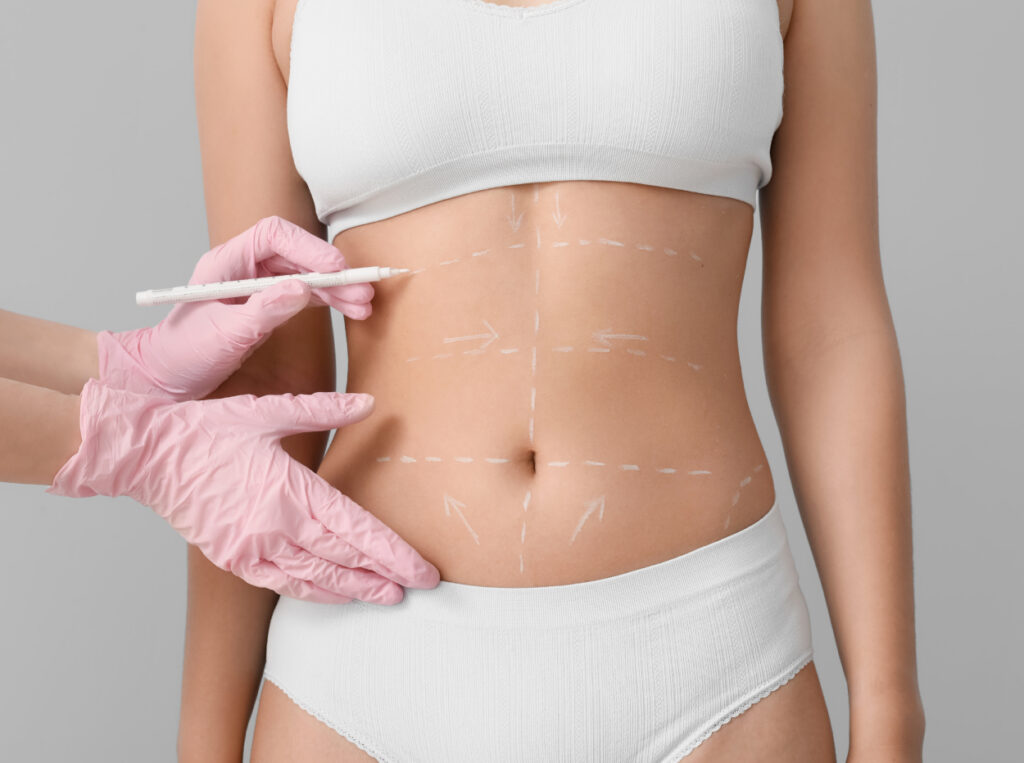
Body changes rarely happen in a straight line. A person can lose 40 pounds and still feel frustrated by a lower abdomen that refuses to flatten. Another can train consistently for years, build muscle, and still notice pockets of fat along the flanks or under the chin that seem untouched by diet and exercise. That is where body contouring enters the conversation, not as a shortcut or a magic fix, but as a focused tool for people who https://blogfreely.net/heldurhbuz/why-michigan-residents-are-turning-to-body-contouring have already done significant work and want their shape to better reflect their effort.
In Michigan, interest in body contouring has grown for practical reasons. People want options that fit real schedules, real winters, real family obligations, and real budgets. They are looking for treatments that can refine specific areas, improve proportion, and help clothing fit better without pretending that one procedure can replace long-term health habits. The best outcomes usually come from that grounded mindset.
Body Contouring in Michigan covers a wide range of approaches. Some are surgical and designed for more dramatic fat reduction or skin tightening. Others are non-surgical and appeal to patients who want less downtime and a gentler approach. The right choice depends on what you are trying to change, how much change you want, and how willing you are to trade recovery time for a stronger result.
What body contouring really means
The phrase "body contouring" gets used loosely, which can create confusion. In practice, it refers to treatments that reshape specific areas of the body by reducing localized fat, tightening skin, or improving overall contour. It is less about weight loss and more about proportion.
That distinction matters. If someone is hoping to lose 50 pounds, body contouring is usually not the first step. If someone is near a stable weight but bothered by fullness around the abdomen, bra line, thighs, upper arms, or jawline, contouring may be much more relevant. Experienced providers spend a lot of time clarifying this early, because expectations can make or break satisfaction.
I have seen this in clinical consultations repeatedly. Patients often come in saying they want to "get rid of belly fat," but what they actually want is more specific. Some want to feel more comfortable in fitted clothing. Some want a waistline that looks balanced after pregnancy. Some want to address loose skin after significant weight loss. Those are different goals, and they call for different strategies.
Why people in Michigan often seek it out
Michigan has its own rhythm, and that affects timing and treatment choices more than people realize. Many patients plan procedures around seasons. They prefer recovery periods during cooler months when covering garments and compression wear feel more manageable. Others aim for spring so results have time to settle before summer travel or lake season. Parents often schedule around school calendars. Professionals may target quieter periods at work.
There is also a quality-of-life angle that comes up frequently. Long winters can make people more aware of comfort and body confidence, especially when they are layering clothing and then suddenly transitioning to warmer weather. For some, the motivation is aesthetic. For others, it is deeply practical. Chafing along the thighs, fullness beneath the arms, or excess skin after weight loss can affect movement, exercise, and day-to-day comfort.
A Michigan patient population also tends to be direct. People want honest conversations about what is possible, how long it will take, what recovery really feels like, and whether the cost matches the expected benefit. That directness is useful, because body contouring works best when the decision is driven by clear goals rather than impulse.
Surgical and non-surgical options are not interchangeable
One of the biggest misconceptions in Body Contouring is that all treatments deliver roughly the same endpoint with different amounts of downtime. That is not how it works. Non-surgical options can be effective for mild to moderate concerns, particularly small pockets of pinchable fat or early skin laxity. Surgical options generally provide more dramatic change, especially when there is a larger amount of fat, significant skin laxity, or muscle separation after pregnancy.
A person bothered by a slight lower belly fullness might do well with a non-surgical fat reduction treatment. A person with overhanging abdominal skin after losing 80 pounds is likely to be disappointed by that same approach. They may need surgery to remove excess tissue and restore contour in a meaningful way.
That is not a value judgment. It is simply matching the method to the anatomy.
Non-surgical approaches
Non-surgical body contouring often uses cooling, heat, radiofrequency, ultrasound, or injectable treatments to reduce small fat deposits or stimulate collagen. These options are appealing because they usually involve minimal downtime. A patient may return to work the same day or the next day. That convenience has obvious appeal for busy adults who cannot step away from work, childcare, or caregiving responsibilities.
Still, convenience has trade-offs. Results are gradual, sessions may need to be repeated, and the change can be subtle. The best candidates are already fairly close to their goal and want refinement, not transformation. If the provider is careful during consultation, this can be a very satisfying category of treatment. If expectations are inflated, it becomes a source of disappointment.
Surgical approaches
Surgical Body Contouring in Michigan may include liposuction, tummy tuck procedures, arm lifts, thigh lifts, or combined procedures tailored to a patient’s body pattern. Surgery generally offers more visible and predictable contour change, particularly when the issue is not just fat but also loose skin or weakened abdominal structure.
The trade-off is recovery. Swelling, bruising, activity restrictions, compression garments, and time away from routine are all part of the process. This is where experienced counseling matters. Patients do better when they understand not only the result they are paying for, but the weeks and months it takes to get there.
A common mistake is underestimating recovery because someone has seen a few polished before-and-after photos online. Those images rarely capture the first ten days, the interrupted sleep, the need for help lifting children, or the emotional ups and downs that can come with swelling before the final contour appears. None of that means surgery is a bad choice. It means the decision should be made with open eyes.
The goal is not perfection, it is proportion
The most satisfied patients are often not chasing an idealized body. They are chasing relief, balance, and alignment between effort and appearance. Someone who has worked hard to improve nutrition and exercise habits may simply want their midsection to look less resistant. Someone after pregnancy may want to restore a sense of familiarity with their body. Someone after major weight loss may want clothing to sit properly and skin to stop bunching or pulling.
That focus on proportion is healthy and realistic. Body contouring can improve the silhouette. It can reduce volume in stubborn areas. It can tighten or remove tissue that no amount of exercise will change. What it cannot do is erase every asymmetry, create a body that ignores genetics, or solve the emotional side of body image all by itself.
Good providers say this plainly. Bodies are not perfectly symmetrical. Healing is not perfectly symmetrical either. One side may stay swollen longer. Small irregularities may be visible if you search for them. Skin quality varies from person to person. The goal is substantial improvement, not anatomical fantasy.
Who tends to be a strong candidate
Candidacy has more to do with stability than with a specific clothing size. In Michigan practices, the strongest candidates are often people who have maintained a fairly stable weight for several months, have a specific area they want to address, and understand the realistic upside of the treatment they are considering.
The following signs usually point toward a more productive consultation:
- Your weight has been relatively stable, rather than rapidly dropping or rising.
- You can identify a specific concern, such as flanks, lower abdomen, upper arms, or loose skin after weight loss.
- You understand that body contouring is not a substitute for overall weight management.
- You have room in your schedule for recovery, follow-up visits, and temporary activity limits.
- You are pursuing the treatment for your own goals, not because someone else is pressuring you.
There are also situations where it makes sense to wait. If a patient plans future pregnancies, intends to lose a large amount of weight, or is actively building a new health routine, delaying treatment may produce a better result later. Good timing can matter almost as much as treatment selection.
Weight loss, pregnancy, and aging each change the equation
Different life stages shape the body in different ways, and body contouring should reflect that.
After weight loss, the issue is often not just fat. Skin may not retract fully, especially after a large change in body size. The abdomen, upper arms, inner thighs, and lower back are common trouble spots. A person may be healthier and stronger than they have been in years, yet still feel burdened by hanging skin or tissue folds. In that setting, contouring can feel less cosmetic and more functional.
After pregnancy, the story is often more layered. Some patients have localized fat that does not respond as it did before. Others have stretched skin or separated abdominal muscles. Exercise can improve strength, but it cannot always reverse tissue changes. For these patients, non-surgical options may help modestly, while surgery may be the more definitive route if the concern is substantial laxity.
With aging, the skin’s elasticity changes and fat distribution shifts. Areas that once looked smooth may become softer or less defined. Here, the treatment goal tends to be refinement rather than reinvention. A subtle reduction under the chin or modest tightening through the abdomen can make a face or body look more rested and balanced without making a person appear overtreated.
What to expect during a consultation
A thoughtful consultation should feel like an evaluation, not a sales pitch. The provider should ask about weight history, pregnancies, surgeries, medications, lifestyle, and timing. They should examine skin tone, fat distribution, scars, muscle support, and asymmetry. Most importantly, they should ask what bothers you and why.
That last part often reveals more than measurements do. I have seen patients point to one area while their real concern was another. They might say "stomach," but what really bothers them is the way their waist disappears in clothing. Or they may focus on the thighs when excess lower abdominal skin is creating the imbalance they notice. A trained eye can help connect the complaint to the right anatomical issue.
A good consultation should also cover what not to do. If a treatment is unlikely to give a meaningful result, you should hear that clearly. Ethical practices are not afraid to recommend against a procedure when the fit is poor.
Recovery is where discipline pays off
Results are shaped not only by the procedure itself, but by what happens after. This is true in both surgical and non-surgical care, though the demands differ.
With non-surgical contouring, the aftercare is usually simple. Mild soreness, temporary numbness, swelling, or tenderness may occur. Patients generally resume normal routines quickly. The challenge is patience. Results may take weeks or months to declare themselves, and some people expect immediate change because the treatment felt easy.
With surgery, recovery becomes an active phase of treatment. Compression garments may need to be worn consistently. Walking is encouraged early, but heavy exercise may be limited for weeks. Swelling can linger much longer than patients expect. Final contour is often not visible right away, which can be emotionally difficult for people who anticipated a quick reveal.
A few practical habits tend to support a smoother recovery:
- Follow movement restrictions even when you start feeling better.
- Build extra time into work and family obligations, rather than assuming you will bounce back immediately.
- Keep follow-up appointments, because small issues are easier to address early.
- Maintain hydration, protein intake, and sleep as well as circumstances allow.
- Avoid judging your final result too early, especially while swelling is still active.
That last point deserves emphasis. Many contouring procedures look worse before they look better. Swelling can blur definition. Tightness can feel unnatural at first. This does not mean something is wrong. It means healing has its own timeline.
Cost matters, but value matters more
People often ask what Body Contouring in Michigan costs, and the honest answer is that it varies widely. The area being treated, the type of procedure, the number of sessions, facility fees, anesthesia, garments, and follow-up care all affect price. A small non-surgical treatment plan may cost far less than surgery, but if several sessions are needed and the result remains modest, the lower entry price does not always translate into better value.
That is why consultation should include a serious conversation about efficiency. If a patient wants a dramatic abdominal change and is likely to need multiple non-surgical sessions for a result that still falls short, a surgical option may actually be the more sensible investment. On the other hand, if the concern is small and well-defined, surgery may be excessive.
Price shopping alone can be risky. In aesthetic care, the cheapest quote can become expensive if revision, poor outcomes, or inadequate support enter the picture. Credentials, experience, patient selection, and the quality of the practice matter.
Choosing a provider in Michigan with care
A skilled provider does more than perform a procedure. They evaluate anatomy accurately, screen for red flags, set realistic expectations, and know how to say no when appropriate. That blend of technical judgment and restraint is what protects patients.
When people look for Body Contouring in Michigan, they should pay attention to more than polished marketing. Before-and-after photos are useful, but only if they show patients with body types and concerns similar to yours. The consultation experience is just as revealing. Did the provider listen? Did they explain trade-offs? Did they offer a rationale for their recommendation? Did they discuss recovery honestly, including discomfort, swelling, and downtime?
A good practice also has a clear system for follow-up care. Questions always come up after treatment. Swelling patterns vary. Minor concerns can trigger anxiety. Access to the team matters, especially during the first weeks after a surgical procedure.
Body contouring works best when it supports habits, not when it replaces them
The healthiest approach to body contouring is to treat it as a complement to your existing efforts. It cannot stand in for consistent eating habits, movement, sleep, and long-term weight stability. What it can do is address the places where those habits have already taken you as far as they can.
This is often a relief for patients to hear. They do not need to prove perfection before seeking treatment. They simply need enough stability and self-awareness to make the result worthwhile. A person who walks regularly, eats reasonably well, and has maintained their weight can be an excellent candidate even if life is busy and imperfect. Real bodies exist in real circumstances.
That perspective also helps people protect their results. Localized fat reduction can be long-lasting, but weight gain can still change the body’s appearance over time. Skin removal is durable, but future pregnancies or major weight fluctuations can alter contour again. The procedure is a milestone, not a finish line.
A realistic path toward feeling more at home in your body
For the right person, body contouring can be deeply satisfying, not because it creates a new identity, but because it removes a mismatch between effort and appearance. It can help a patient feel more proportional, more comfortable, and more at ease in clothing and movement. In some cases, especially after major weight loss, it can also improve day-to-day function in ways that are easy to underestimate until the burden is gone.
Michigan patients tend to appreciate practical outcomes. They want to know whether a treatment will help them button jeans more comfortably, reduce chafing during summer walks, smooth the waistline under work clothes, or restore shape that feels familiar again. Those are sensible goals, and they are often the ones most worth pursuing.
If you are considering Body Contouring in Michigan, the best first step is not choosing a procedure. It is getting clear about your goal. Are you trying to reduce a small stubborn area, tighten mild laxity, or address skin and contour changes that only surgery can truly fix? Once that is clear, the right treatment path becomes much easier to identify.
Body contouring is not about chasing someone else’s standard. At its best, it helps your body look more consistent with your health, your effort, and the life you are already building.